Wondering how to value my number plate uk dvla records can support? Here is the key point: the DVLA issues and records registration numbers but does not put a price on your plate. A number plate value check is really an estimate built from how the plate reads, how scarce it is and what similar plates have sold for through dealers, auctions and private sales.

Part of Vehicle Registration. Start with the main guide: Car Spec Check by Registration
Updated October 2026 · Independent information, not legal advice
So if you ask "how much is my reg worth", you are asking a market question, not a records question. The free MOT history checker can confirm what the plate is currently attached to, and the pointers here explain how to judge a fair value without guesswork or pressure.
The DVLA keeps the register of vehicles and the rules on issuing registrations. It can tell you whether a number is available from its own stock, and it processes assignments and transfers. It does not advise on price, and it does not guarantee that a plate can be resold.
- It issues and sells new registrations
- It processes retention and transfers
- It does not value plates you already hold
Who Sets The Value Of A Number Plate
A registration number is worth what a buyer will pay for it. The DVLA manages the system and issues plates, but it does not publish a value for yours and is not a valuation service.
The market decides
Dealers, auction houses and private buyers all influence prices. A plate that sells quickly at one price in one market may sit unsold at that price in another.
Why the same plate can get different offers
Buyer interest, timing and presentation all vary. One good reason to compare several opinions before you accept an offer.
Value My Reg: The Basic Idea
When people type value my reg, they usually want a number. A sensible answer is a range, because there is no official fixed figure for private plates.
What goes into an estimate
- How readable and memorable the plate is
- Whether it spells a name, word or initials
- How few characters it uses
- Its format and age style
- Current demand for similar plates
Why ranges beat single figures
A range reflects the real spread between a quick dealer sale and a patient private sale.
A simple scenario
Suppose someone sells a modest hatchback wearing a plate that spells a popular name. The car's value may be modest while the plate is worth more than the car. If the seller forgets to retain the plate before the sale, the buyer may end up with a valuable asset by accident, which is why paperwork must come first.
Another scenario
A valuable classic may carry an ordinary age-related plate. There, the car is the asset, and the plate simply tells you its era.
Reg Number Value Versus Car Value
Reg number value and car value are separate. A valuable plate can sit on a cheap car, and a valuable car can wear an ordinary plate.
The plate can often be moved to another vehicle, so it is treated as its own asset. When you sell a car carrying a cherished plate, agree in writing whether the plate goes with the car or stays with you.
Retention paperwork matters if the plate is to be kept when the car is sold. See how to assign a private plate.
What Is My Registration Plate Worth
The question what is my registration plate worth has no single official answer, but you can narrow it down with research.
A simple research routine
- Note the exact characters and format.
- Look for similar plates sold recently.
- Check whether the plate is dateless, prefix, suffix or current style.
- Get more than one independent opinion.
- Decide the lowest price you would accept before you start.
Asking prices show hope. Sold results show what buyers actually paid.
How Much Is My Car Reg Worth
If you ask how much is my car reg worth, start by asking what makes it special. Ordinary age-coded plates on a normal car usually carry little value beyond the car itself.
Everyday plates
A standard plate issued with a car is normally just an identifier. Its value comes from the car, not the characters.
Special plates
Short, clean, repeating or name-like combinations are where separate value tends to appear. Still, demand varies, so avoid assuming a fortune.
Why a plate on the wrong kind of vehicle may be limited
Some plates suit older cars far better than new ones, and some cannot legally go on certain vehicles at all. A plate that fits few vehicles has a smaller pool of buyers, so it may sell more slowly or for less.
- Check the age rules for the vehicle
- Confirm the plate can legally be assigned to it
- Consider which buyers are actually looking
Plate Formats And Why They Affect Value
Understanding the main plate formats helps you place your registration in the market.
- Dateless plates have no age identifier
- Prefix plates put the year letter first
- Suffix plates put the year letter last
- Current format plates use two letters, two digits and three letters
Format and age
The age identifier shows the period of issue. Read the UK number plate rules for the format rules.
| Format | Typical pattern | Value factors |
|---|---|---|
| Dateless | No age indicator | Scarcity, short length |
| Prefix | Letter, numbers, letters | Age, letters, readability |
| Suffix | Letters, numbers, letter | Age, letters, readability |
| Current format | Two letters, two digits, three letters | Word or name fit |
Dateless Plates
Dateless plates have no year indicator, so they can go on a vehicle of any age within the rules. That flexibility is a large part of their appeal.
Why buyers like them
A dateless plate does not date a car, so it keeps looking good as the car ages. Shorter combinations generally attract more interest.
Rules still apply
A plate must not make a vehicle look newer than it is. Check the current DVLA guidance before assigning one.
Prefix And Suffix Plates
Prefix and suffix plates carry a year letter, so they suit vehicles of the matching era, or later ones as the rules allow.
Matching age and plate
A plate that suggests a newer age than the vehicle is not permitted. A plate that suggests an older age is generally fine.
Why some years are more popular
Some years and letter combinations attract nostalgia, for example a plate matching a birth year. That demand can support a higher value.
Current-Format Plates
Current-format plates are issued in numbered periods. The age identifier tells you the registration period.
The age identifier
See the 74 plate year explanation and when the 25 plate comes out for the period structure.
Personalisation inside the format
Some current-format plates are chosen for initials or word shapes. The more natural the reading, the more interest.
Names, Initials And Words
Plates that read as a name, a word or initials are often the most sought after.
What tends to work
- Common first names and surnames
- Short words that read clearly
- Initials that match popular combinations
Readability matters
A plate that needs explaining often sells more slowly than one that reads instantly.

Why Two Similar Plates Can Sell For Very Different Amounts
Two plates that look alike on paper can attract very different interest. Small differences in how a plate reads out loud or on a bumper can matter more than the number of characters.
Reading it out loud
A plate that is easy to say, spell and remember tends to be more appealing. One that is awkward to read, or that could be mistaken for another, usually attracts less interest.
The effect of spacing
Legal spacing is set by the rules, so you cannot change it freely. A plate may look better or worse once properly spaced, which is worth checking before you list it.
- Ask a few people to read the plate without hinting at its meaning
- Look at how it will appear on a real car
- Avoid styling that breaks the legal rules
Numbers And Short Plates
Very short plates with one, two or three characters are scarce by nature. Scarcity can support a premium.
Repeating numbers, sequences and round figures also attract attention.
Not every short plate is valuable. Demand depends on style and who is looking for it.
Regional Identifiers And Local Appeal
Local identifiers in older and current-format plates relate to where a vehicle was first registered. People sometimes pay extra for their home area.
Northern Ireland plates
Northern Ireland has its own plate system. Read number plates in Northern Ireland to see how it differs.
A regional tie can help a sale locally but limit interest elsewhere.
Checking what a plate is attached to
If you only want to know which vehicle a plate is on, the free lookup shows make, model, colour, fuel, engine size, MOT and tax status. That can help you confirm a seller's claim, but it does not show ownership or value.
- Check make and model match the story you were told
- Note any marked-for-export flag
- Confirm the V5C issue date looks sensible
DVLA Reg Plate Check
A dvla reg plate check is often a search for whether a registration is available or what a plate is attached to. The DVLA sells new registrations, and the GOV.UK service lets you search what is on offer.
What you can and cannot learn
You can see whether a number is available to buy from the DVLA. You cannot get an official valuation.
Check the vehicle too
For a plate already on a car, use the free lookup to see make, model and MOT status. The DVLA Vehicle Enquiry Service shows similar tax and MOT details. Do not confuse the registration with the vehicle identification number, the chassis number stamped on the car, because the VIN stays with the vehicle when a plate moves. The log book (V5C) links the two.
Check Number Plate Availability
To check number plate availability, use the official GOV.UK search for new registrations. Plates already assigned will not be offered there.
If it is taken
A taken plate may be on a vehicle, held on retention or in private hands. Private sellers and dealers may list such plates.
Availability changes as new plates are issued and old ones become available, so one search is a snapshot only.
DVLA Number Plate Auctions
The DVLA runs auctions of registrations. They are a useful source for seeing what buyers are willing to pay.
Reading auction results
Look at several results for similar plates. One sale can be unusual.
Learning more
The DVLA number plate auction explanation covers how they work.
Private Plate Value Checker Tools
A private plate value checker online usually compares your plate with a database of past sales. The better ones say where the data comes from. You may also see it sold as a car reg value checker, a reg value checker, a reg value check or a reg plate value checker; the name changes but the method, an estimate from comparable sales, is much the same.
How to judge a tool
- Does it name its data sources?
- Does it give a range, not a single figure?
- Does it push you to sell immediately?
Use several
Compare two or three tools and treat the average as a guide, not a promise.
Number Plate Value Checker: What Is Behind The Figure
A number plate value checker should be seen as a rough guide. The figure is an estimate, and the real price is what a buyer agrees to pay.
Limits of automated estimates
Automated tools cannot judge personal appeal, such as a birth year or a name that matches a buyer exactly.
A healthy attitude
Use the estimate to set expectations, then test the market.
Reg Plate Price Checker And Plate Price Checker
A reg plate price checker or plate price checker may compare your plate with recently listed ones. Listings show asking prices.
Sold prices are more useful. Ask whether a tool reports sales or listings.
A plate with few comparables is hard to value. Expect a wider range.
Number Plate Cost Check
A number plate cost check often means what it costs to buy or assign a plate. DVLA fees for assigning and transferring change over time.
Where to see current fees
Current fees are on GOV.UK. Do not rely on an older figure from a forum or a dealer leaflet.
Other costs
Making physical plates is a separate cost from the registration itself. Only legal plates from registered suppliers should be displayed.
Registration Plate Value Check Step By Step
A registration plate value check can be done in a few careful steps.
- Write down the plate exactly as it reads.
- Confirm who currently holds the right to it.
- Research similar sold plates.
- Try a couple of value tools for a range.
- Ask a reputable dealer for an opinion.
- Set a reserve or minimum price.
Pressure to sell quickly is a warning sign.
Car Registration Valuation
Car registration valuation is a service offered by plate dealers who appraise your plate. They often offer to buy it or sell it on commission.
Understand the model
A dealer who buys may offer less than the eventual resale price. A dealer who sells on commission takes a share of the sale.
Ask before you agree
Get terms in writing, including who handles the paperwork.
Instant Car Reg Valuation: Is It Possible
Instant car reg valuation services give a quick estimate, but speed trades off against accuracy.
What to expect
An instant figure is a starting point. Serious offers usually need a human check.
Watch for bait
Some services advertise a high instant figure and then reduce it. Keep evidence of what you were told.
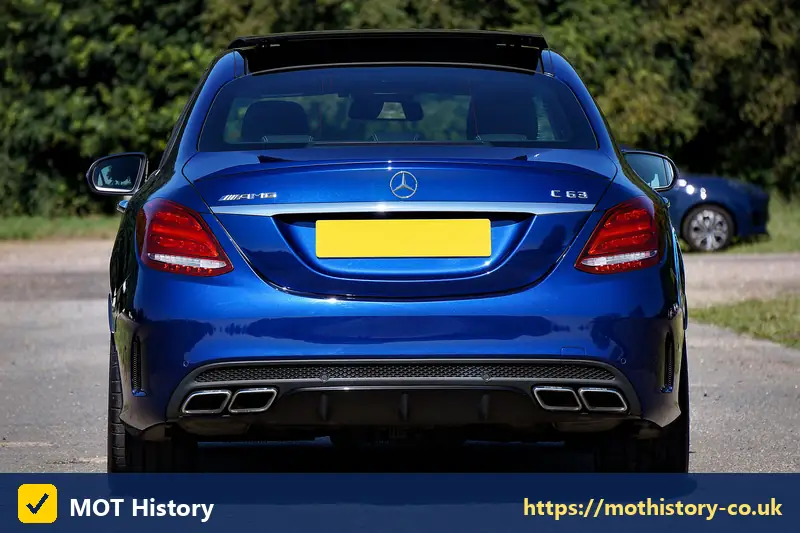
Value Car Number Plate Versus Value My Number Plate
To value car number plate combinations that came with a used car, check first whether the plate is included in the sale or has been retained.
Why it matters when buying a car
If a car is advertised with a cherished plate, ask whether the plate is part of the deal. Get it in writing.
What buyers should check
Use the free lookup to confirm the registration details on the car and ask to see the paperwork.
Retention, The V778 And Keeping A Plate
A V778 retention document shows that a registration is held off a vehicle. It is the paperwork for a plate you want to keep while you change cars.
When retention is useful
If you are selling a car with a plate you want to keep, apply for retention through the DVLA before the sale, following the current GOV.UK process.
Do not let it lapse
Retention has a period after which it must be renewed or assigned. Check the current details on GOV.UK.
Cherished Transfer: Moving A Plate
A cherished transfer moves a registration from one vehicle to another. The plate keeps its value, and the vehicle receives the new identity.
Who can be transferred to
The vehicle must meet the DVLA's conditions, such as being registered in the UK and available for use on the road. Always check the current rules.
Read about cherished number plates for a broader explanation.
Preparing the paperwork
Gather the documents that show you hold the right to the plate, such as the V5C logbook if it is on a car or a retention document if it is off the road. Buyers and the DVLA both need clear evidence.
- Have the retention certificate or V5C ready
- Keep proof of identity for the DVLA process
- Write a simple sale agreement that names the plate
Timing the sale
Selling while the plate is still on a car can complicate the sale of the car. Decide whether to retain the plate first, then sell the vehicle.
Selling Your Registration Number
Selling a plate is a separate process from selling a car. You can sell privately, through a dealer or at auction.
Before you list
- Confirm you hold the right to the plate
- Gather the retention or logbook paperwork
- Decide your minimum price
More detail
The how to sell your registration number explanation covers the steps in order.
Choosing Where To Sell
Each route has pros and cons.
- Private sale: potentially the best price but more effort
- Dealer: quick and convenient, but dealers must profit
- Auction: competitive, but outcomes vary and fees may apply
Match the route to the plate
A very distinctive plate may suit an auction, while an ordinary plate may sell through a dealer or simple listing.
Fake buyers and fake sellers
Some scammers pose as buyers who overpay and ask for a refund, or as sellers offering a plate they do not hold. Never act on a payment that has not cleared, and do not send money for a plate you have not verified.
- Verify the seller's right to the plate
- Wait for cleared funds
- Be cautious if the price looks too good to be true
| Route | Speed | Things to weigh |
|---|---|---|
| DVLA auction | Set by auction dates | Official, may suit rarer plates |
| Broker | Varies | Commission terms differ |
| Private sale | Varies | You manage safety and paperwork |
| Keep on retention | No sale needed | Certificate must stay valid |
Scams And Red Flags
Plate sales attract scammers, especially when values are unclear.
Common warning signs
- Buyers asking for payment first
- Pressure to transfer before funds clear
- Requests for personal documents that are not needed
- Offers that change after you agree
Protect yourself
Use traceable payment methods, confirm funds have cleared and use official DVLA steps for the transfer.
Questions to ask the seller
- Who currently holds the right to the plate?
- Is it on a vehicle, or held on retention?
- Are there any restrictions or outstanding checks?
- How will the transfer be completed?
Agree the terms in writing
A short written agreement names the plate, the price and who is responsible for each part of the transfer.
Buying A Private Plate Safely
If you are buying, verify that the seller holds the right to the plate.
Checks before paying
Ask for evidence of ownership, such as retention paperwork, and confirm the plate is not attached to a vehicle you cannot verify.
Use official channels
Complete the transfer through the DVLA's own process rather than an informal arrangement.
When A Plate Has Sentimental Rather Than Market Value
Some plates matter because of who they remind you of. A sentimental value is real, but it is not the same as a market value, and mixing them up leads to disappointment.
Deciding what you would accept
If a plate is tied to a person or a memory, you may decide not to sell at all. Retention lets you keep it without keeping the car.
Gifting and inheritance
A plate can be left to someone in a will, in the same way as other property, though the DVLA process still applies. Check the current guidance and consider advice.
Legal Limits: Plates Must Not Mislead
A plate must not make a vehicle look newer than it is. Displaying an unlawful plate may lead to fines or other penalties, and the vehicle may fail its MOT.
Show reg plates
Special fonts, spacing and styles are regulated. See show reg plates and whether they are legal.
Always check
If unsure, check the current DVLA and GOV.UK guidance before buying or displaying a plate.
Making a modest plate work for you
A plate does not have to be rare to be satisfying. A neat, readable combination on a car you enjoy gives pleasure without a large outlay. Think about what you want from it before chasing value.
Low Cost Registration Plates
Not every plate is expensive. Some registrations are issued at low cost in standard ranges and suit buyers who only want a neat plate.
Budget-friendly options
Look for plates with less demand, such as longer combinations that still read well.
Learn more
See low cost registration plates for ideas.
Car Value Check: A Different Question
A car value check is about the car, not the plate. People searching for a car valuation check or car price check want to know what a vehicle is worth.
What the lookup helps with
The free lookup confirms details that affect value, such as year, engine size, MOT and tax status.
What it does not do
It does not give a market valuation. Use recent sales of similar cars for that.
Use the registration to start
Begin by running the registration to confirm the exact vehicle. Many valuations go wrong because the make, engine size or year was assumed rather than checked, and the free lookup avoids that mistake.
- Confirm engine size and fuel type
- Check the first registration year
- Note the MOT expiry and any advisories
Car Worth Check And Evaluate My Car
If you want to evaluate my car, collect the facts first: make, model, engine size, year, mileage, condition and history.
A quick checklist
- Confirm make, model and year using the registration
- Note MOT history and mileage
- Check for finance or write-off records
- Compare with similar cars for sale
Why condition matters
Condition and history can shift a car's value a lot, even with identical specifications.
Car Value Checker And Car Price Checker Tools
A car value checker or car price checker is an online estimate. Results vary between providers.
Good practice
Use more than one, and compare with real adverts and sales.
What to supply
Accurate mileage, options and condition improve the estimate. Hiding faults only delays an argument.
What Is The Value Of My Automobile
When people ask what is the value of my automobile, the useful answer is a range based on comparable sales.
Things that raise value
- Low mileage for the age
- Full service history
- Clean MOT history
- Desirable spec
Things that lower it
- Write-off history
- Outstanding finance
- Gaps in records
- Poor condition
Checking A Car's History Before Valuing It
History affects value. A car with a write-off record or hidden finance is worth less, or may not be yours to sell.
Checks to run
Use the MOT history details, a finance check and a write-off check.
Why the free lookup is only a start
It does not show finance, write-off or stolen status, service history or previous keepers.
Checking A Plate Before You Buy A Car Wearing It
A car advertised with a special plate raises an extra question: does the plate stay or go? The answer should be in the advert and in writing.
Verify with the free lookup
Enter the registration to see the car's make, model, engine size and MOT history. If the details do not fit the car in front of you, ask why before proceeding.
Protect yourself
- Ask whether the plate is included in the price
- See the V5C logbook in the keeper's name
- Be wary if the seller plans to retain the plate at the last minute
Used Car Value Thresholds And Why They Matter
Some insurance and finance decisions use value thresholds. See used car value thresholds for how these can affect choices.
Practical effect
A valuation near a threshold may change the options available, so it helps to know where you sit.
Keep records
Hold on to receipts, service books and MOT certificates to support your valuation.
Changing a plate on an insured car
After a transfer, the vehicle carries a different registration from the one on your policy. Tell your insurer promptly so that the policy details match the vehicle, and keep any paperwork that shows when the change took place.
Insurers may ask about plates and modifications as part of their questions. Answer accurately.
Tax, Insurance And Plates
Buying or selling a plate can raise tax and insurance questions.
- Tell your insurer if the plate on your car changes
- Check whether the vehicle tax record follows the registration
- Seek advice on any tax on profits from selling a plate
Official sources
Use GOV.UK and HMRC guidance, or a qualified adviser, for tax treatment.
Keeping Records Straight After A Transfer
After a transfer, the vehicle record changes. The car's paperwork must match.
What to update
Update your insurer and keep your V5C, retention documents and receipts. The V5C logbook should show the correct registration.
Check it worked
Use the MOT check on the new registration to confirm the vehicle's details appear as expected.
Overlooking the small print
Dealer agreements sometimes include commission, storage or exclusivity terms. Read them carefully, and ask what happens if the plate does not sell.
- Check commission terms
- Confirm the period of any exclusive agreement
- Ask about withdrawal conditions
Common Mistakes When Valuing A Plate
Most mistakes come from optimism and haste.
- Using asking prices as if they were sales
- Assuming every short plate is worth a lot
- Forgetting fees and time
- Accepting the first offer
- Ignoring paperwork
The fix
Research, compare and write down your limits before you engage with buyers.
Myths About Number Plate Values
Several myths persist.
Myth: the DVLA will value it
The DVLA does not provide valuations.
Myth: a plate is always worth more than the car
Sometimes, but often not.
Myth: old plates are automatically valuable
Value depends on style, demand and condition of the paperwork.
Before you accept an offer
Take a moment to compare the offer with your research. If it is well below the range you found, ask why. If it is well above, ask how payment will be made and whether the buyer is genuine.
- Compare with your research range
- Confirm payment method and timing
- Use official DVLA steps to complete the transfer
Quick Reference Checklist
Keep this list handy.
- Confirm the plate is yours to sell
- Check the format and style
- Research sold prices
- Get two or three opinions
- Set a minimum price
- Use official DVLA steps for the transfer
If you are valuing the car too, read used car lookup for the related checks.
A last word on patience. Plate values move slowly and unevenly, so there is rarely a prize for rushing. Spend a few weeks gathering sold results, speaking to a couple of reputable dealers and thinking about what the plate means to you before you commit to a price. If a buyer insists on an immediate decision, treat that as a reason to slow down, not speed up. Keep a record of every offer, who made it and on what terms, so you can compare them fairly later.
If you are also thinking about selling the car itself, run its registration through the free MOT history checker first. Having the make, model, engine size, MOT status and tax status to hand makes an advert more credible, and buyers who check the same details will find them consistent with what you wrote.
Finally, keep your own expectations realistic. Most registrations on the road are simply identifiers, and only a minority carry a meaningful premium. Knowing which group yours belongs to saves time, avoids paying for valuations you do not need and keeps the conversation with any buyer calm and factual.
Frequently Asked Questions
Does the DVLA value my number plate?
No. The DVLA issues and records registrations and sells new ones, but it does not provide valuations for plates you already own. Value depends on what buyers will pay, so compare sold prices, dealer opinions and auction results, and treat any single estimate as a guide only.
How much is my reg worth?
It depends on style, length, readability and demand. Plates that read as names or words, very short plates and dateless plates tend to attract more interest, while ordinary age-coded plates are usually worth little beyond the car. Research sold prices rather than asking prices.
Is there an instant car reg valuation I can trust?
Instant tools are useful for a rough range but cannot judge personal appeal. Choose tools that say where their data comes from and compare two or three. Treat any figure as a starting point and confirm with a reputable dealer before you decide.
Can I check number plate availability for free?
Yes, the DVLA's GOV.UK service lets you search for registrations currently available to buy. It will not show plates already assigned or held privately. Availability changes over time, so a search is a snapshot rather than a guarantee.
What is a V778 retention document?
It is the paperwork showing that a registration is held off a vehicle so you can keep it while changing cars. Apply through the DVLA following the current GOV.UK process, and do not let the retention lapse without checking how long it lasts.
What is a cherished transfer?
A cherished transfer moves a registration from one vehicle to another. The plate keeps its identity and the vehicle takes on the new registration. Both vehicles must meet the DVLA's conditions, so check the current rules on GOV.UK before you start.
Does a private plate affect the car's value?
It can, but the two values are separate. A plate can often be moved, so agree in writing whether it stays with the car or goes with you. If you are buying, ask for the retention or assignment paperwork.
Can a number plate make my car look newer?
Not lawfully. A plate must not make a vehicle look newer than it is, and unlawful plates may lead to penalties and problems at the MOT. Check the current DVLA guidance before buying a plate for an older car.
Is a number plate value checker accurate?
Only as a rough guide. Automated tools compare your plate with past sales and cannot judge personal appeal, such as a matching name or birth year. Use them to set expectations, then test the market with dealers or an auction.
What is the difference between a car value check and a plate value check?
A car value check estimates what the vehicle is worth, based on make, model, year, mileage and condition. A plate value check estimates what the registration is worth. The free lookup can confirm vehicle details but gives neither valuation.
Where can I sell my registration number?
You can sell privately, through a plate dealer or at auction. Private sales may earn more but take effort, dealers are convenient but must make a profit, and auctions are competitive. Get terms in writing, and use official DVLA steps for the transfer.
How do I avoid plate scams?
Be wary of buyers who ask for payment first, rush you or change their offer. Use traceable payment, confirm funds have cleared and complete the transfer through the DVLA. Never share more personal documents than the process requires.
Does the free lookup show what a plate is worth?
No. It shows vehicle details such as make, model, fuel, engine size, MOT and tax status, from official records. It does not show valuations, insurance, finance, write-off or stolen status. Use separate research for plate value.
What should I check before valuing my car?
Confirm the make, model, year and engine size with the registration, check MOT history and mileage, and run separate finance, write-off and stolen checks. Condition and service history also matter. Compare with similar cars for sale to get a realistic range.
Is this an official DVLA valuation service?
No. MOT History is independent and is not the DVLA, DVSA or DVA. It shows data from official records through a free lookup. For plates, fees and transfers, use GOV.UK and the DVLA for the final word.
Official Sources
Rules, fees and deadlines change. Confirm anything that affects your money or legal position with the official service.