Category D car meaning in short: it was a former insurance write-off category in the UK for a vehicle that an insurer judged uneconomic to repair, but which was not classed as seriously structurally damaged. Since the system was changed in 2017, new write-offs are recorded as Category S or Category N instead, yet a Category D marker can still appear on older vehicle histories.
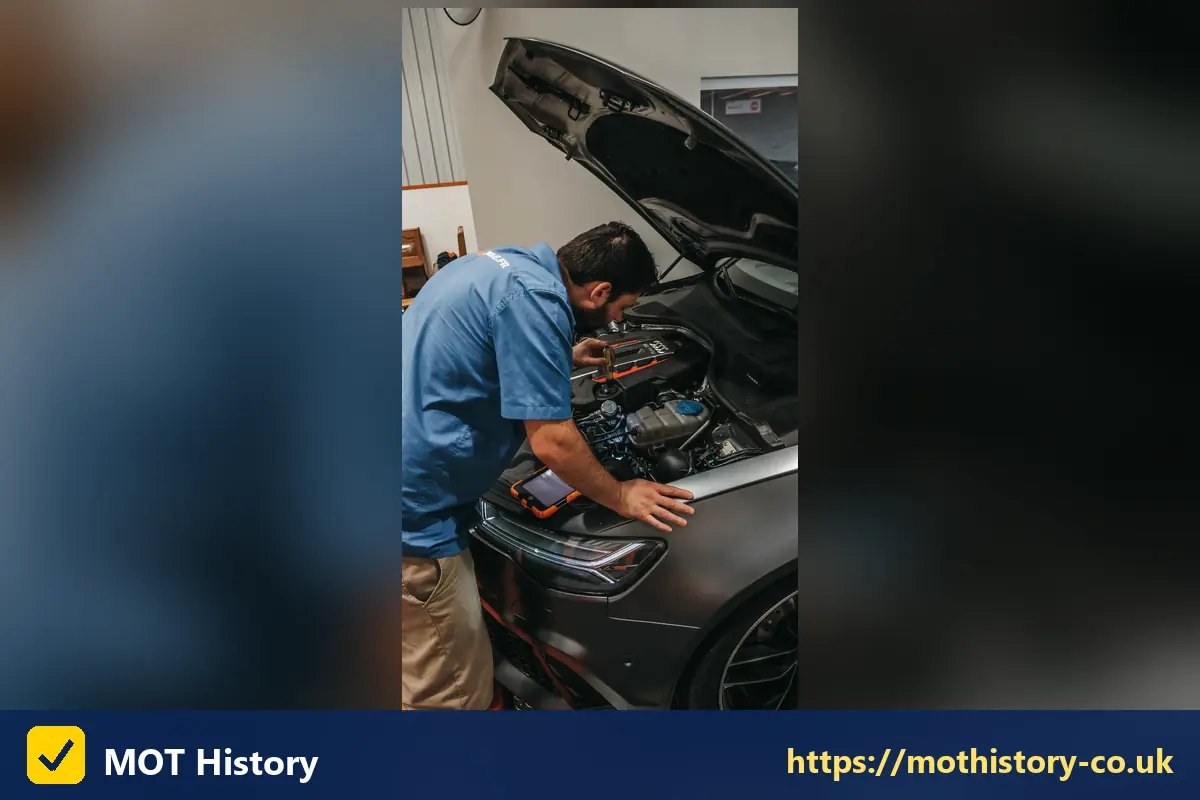
Part of Write-Off & Finance Checks. Start with the main guide: Check If a Car Has Been Written Off
Updated October 2026 · Independent information, not legal advice
If you are buying, selling or checking a car, the category tells you how the insurer treated the damage, not how well the repair was done. A category d car can be perfectly usable, but it deserves a proper inspection and a clear price discussion. The free MOT and tax lookup will not show write-off status, so you need a separate vehicle history check for that.
What Category D Means
A Category D label was applied to a vehicle that an insurance write-off decision had covered, where repair was not economical but the damage was not classed as structural.
The plain-English version
The insurer decided the repair bill was too high compared with the car's value, so it paid out as a total loss.
Not the same as scrap
A Category D car could be repaired and returned to the road, unlike the most severe categories.
The wording can be misleading because it sounds like a grade of quality. It is really an administrative label attached to the insurer's decision, and two cars with the same label can be in very different condition today.
People most often meet the term in these situations:
- A seller mentions it in an advert
- A history report shows a former Category D marker
- An insurer asks about past damage
- A buyer compares it with Category S and Category N cars
Category D Meaning And The Old Categories
Category D meaning only makes sense against the old system of letters used before 2017, which ranged from A to D.
The four old letters
- Category A: scrap only
- Category B: break for parts
- Category C: repairable, repair cost higher than value
- Category D: repairable, repair cost lower but still uneconomic
Why the system changed. The old letters were confusing, so the industry moved to a structural and non-structural split.
Older adverts and logbook notes may still use the A to D letters, especially for cars first written off years ago. If you see one, ask when the decision was made and whether the car has been re-categorised or re-registered since.
The Current Categories A, B, S And N
Today's insurance write-off categories are Category A, Category B, Category S and Category N.
Structural versus non-structural
Category S means structural damage was recorded, and Category N means it was not. Read Category N car meaning for the detail.
The two that never return
Category A and B vehicles should never be put back on the road.
Sellers sometimes mix up the letters, so never rely on memory. Ask for the category as it appears on a history report, and compare it with the paperwork supplied.
Where A Former Category D Fits Now
A former Category D car is usually treated as roughly similar to the modern Category N, though they are not formally identical.
Why a direct match is not exact
The old and new rules use different wording, so a buyer should not assume the equivalence. What to ask. Ask for documentation of the original damage and repair, and have the car inspected.
| Category | Damage recorded | Can return to the road |
|---|---|---|
| Category A | Most severe | Should never return |
| Category B | Severe | Should never return |
| Category S | Structural | Yes, after proper repair |
| Category N | Non-structural | Yes, after repair |
Why Insurers Write A Car Off
A write-off is a financial decision as well as a safety one.
Cost against value
If repair costs are close to the car's pre-accident value, the insurer may pay out instead.
Older cars are at greater risk
A modest repair bill can exceed the value of an older car, so even minor damage may lead to a write-off.
Factors that push an insurer towards a total loss:
- Repair costs close to market value
- Parts that are expensive or hard to source
- Hidden damage found after the car is stripped
- Airbag deployment and associated electrics
Is A Category D Car Safe
Safety depends on the quality of repair, not the letter alone.
The risk
A poor repair can leave weaknesses in airbags, crumple zones or alignment. The reassurance. A repair by a competent workshop, with photos and invoices, can result in a sound vehicle.
Safety also depends on how the car has been treated since the repair. Regular servicing, sensible tyres and prompt attention to warning lights matter as much as the original workmanship.
Questions worth asking about the repair:
- Who did the work, and are there invoices?
- Were genuine or matching quality parts used?
- Were the airbags and seatbelt pretensioners replaced if deployed?
- Has the wheel alignment been checked since?
Category D And Structural Damage
A Category D marker normally suggests the vehicle did not suffer serious structural damage. That does not mean the body is perfect.
Hidden damage
Non-structural items such as panels, bumpers, lights and electrics can still hide defects.
Inspection advice
A specialist can measure the body alignment and check for signs of repair.

Where The Record Comes From
The write-off record is held on the MIAFTR register, the Motor Insurance Anti-Fraud and Theft Register, and used by vehicle history services.
What MIAFTR covers
It records vehicles declared a total loss or stolen and not recovered. What it does not cover. Damage that was never claimed on insurance may not appear, so a clean record is not proof of no accident.
Because the register depends on insurers reporting, timing can vary. A vehicle written off very recently might not show yet, so a repeat check close to purchase is sensible.
Checking For A Write-Off
Start with a full vehicle history check from a reputable provider. See check if a car has been written off for what is involved.
What to look for
- Any category marker
- Dates of the insurance decision
- Stolen or scrapped flags
Free versus paid
Free tools do not always show write-off data. Be ready to use an official or commercial history check.
A check is only as good as the registration you enter, so read the number from the V5C and the car itself, and confirm they match. A mismatch is a warning sign in its own right.
What The Free MOT Lookup Can And Cannot Show
The free MOT history checker shows MOT results, advisories, mileage and tax status. It does not show write-off category, finance or keepers.
Clues it can still give
Gaps in test history, sudden mileage changes or repeated body-related advisories are worth noticing.
Why that matters
Combine the free lookup with a paid history check for a complete picture.
Use the lookup to see whether the car has been tested regularly, whether failures clustered around structure or corrosion, and whether the recorded mileage rises steadily. None of that proves or disproves a write-off, but it helps you ask sharper questions.
Used Car Checks Before Buying
A checklist improves your chances of spotting a problem.
- Run a vehicle history check
- Inspect the car in daylight
- Check panel gaps and paint
- Check outstanding finance
- Read the MOT history
More buying advice. See what to look for when buying a used car for a broader checklist.
Do the checks in order: paperwork first, then the history report, then the physical inspection, then a test drive. Skipping straight to the test drive is how people fall for a good-looking car with a poor history.
Price Impact Of A Category D Car
A write-off marker typically lowers the value compared with a similar car without one.
How much lower
There is no fixed rule. The discount depends on the model, age, damage and repair quality.
Negotiation
Use the category, repair evidence and inspection findings to agree a fair price.
Remember resale too. Whoever buys the car from you will ask the same questions, so a well-documented history helps both now and later.
Elements that influence value:
- Age and mileage of the car
- Popularity of the model
- Quality and documentation of the repair
- How easy the car is to insure
Insurance For A Category D Car
Insurers may treat a previously written-off vehicle differently.
Disclose honestly
You should be open with the insurer about the history, because failing to disclose could affect a claim. Cover options. Some insurers decline such cars, while others will cover them, sometimes on different terms.
Keep written quotes and notes of each call, because the answers can change with the car, the driver and the insurer's current appetite for this kind of risk.
Questions to put to an insurer:
- Do you cover vehicles with a previous write-off record?
- Does it change the excess or premium?
- Do you need repair evidence before cover starts?
Finance And Category D
Buying a write-off on credit can be harder.
Lender attitudes
Some lenders may not fund a car with a write-off marker.
Check the agreement
See check finance on a car and car finance checker to understand what to ask.
A lender's decision is about risk. A car with a write-off marker may be harder to value, which can make a loan more cautious or more expensive, so get the terms in writing before you rely on them.
Some buyers pay cash specifically because finance is harder on a previously written-off car. If you do borrow, read the agreement so you know what it says about condition and history.
Outstanding Finance Explained
Outstanding finance is money still owed on a car under an agreement such as hire purchase, PCP or a conditional sale.
Why it matters
A car under finance may not be owned outright by the seller, so the finance company may have a claim. How to check. A vehicle history check usually reports finance markers. A seller should be willing to provide proof of settlement.
A car with outstanding finance can be reclaimed by the lender in some circumstances, even if you bought it in good faith. That is why a finance check matters as much as a write-off check.
Hire Purchase, PCP And Conditional Sale
These are the main types of motor finance used for cars.
HP and conditional sale
The buyer pays instalments and owns the car only after the final payment, though the exact rules differ.
PCP
A balloon payment at the end gives an option to keep, return or swap the car.
Key differences to recognise:
- Ownership passes at different times
- Some agreements restrict selling the car
- Settlement figures come from the lender, not the seller
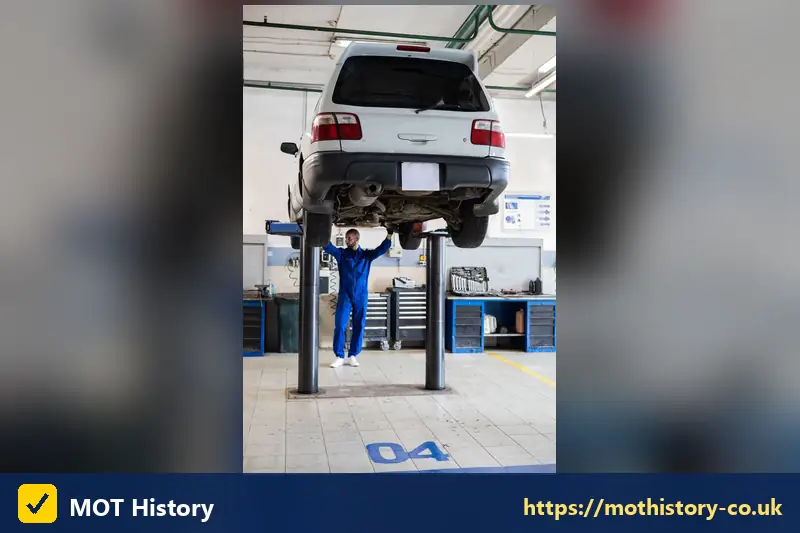
FCA And Motor Finance
The FCA regulates most consumer motor finance in the UK. Its rules cover how lenders treat borrowers.
If you feel mis-sold
Read mis-sold car finance for how to review an agreement. Complaints. Start with the lender, then use the ombudsman route if unresolved. Check the official rules.
Clean Finance Does Not Mean Clean History
A car can have no finance and still have a write-off record.
Two separate checks
Finance checks and write-off checks use different data.
Why both matter
Buy only after confirming both, and look for stolen marker information through the police stolen vehicle check.
A seller who says the car is "all clear" may mean only one of these. Ask precisely which checks they have done, when, and ask to see the report rather than a verbal summary.
What HPI And Similar Checks Do
Brands such as HPI are names people search for when they want a history report. In general terms, these services compile data on finance, write-offs, theft and mileage.
Read the report carefully
See HPI clear for what a clean report does and does not mean.
Limits
A report reflects data available at the time, so a recent event might not yet be recorded.
Different providers may present data differently and some add extras such as valuations. Whatever you choose, treat the output as a record of reported events, not a guarantee of condition.
Seller Documents To Ask For
Good paperwork builds confidence.
- The V5C logbook
- Repair invoices
- Photos of the damage and repair
- Service history
- Previous MOT certificates
Why photos matter
They show the extent of damage and allow a specialist to judge the quality of the repair.
If original invoices are missing, ask whether the repairer can supply a copy, and whether any warranty on the repair is still valid.
A seller who is open about a repair will usually have these to hand. Reluctance to share them is a reason to slow down and think again.
Inspection Before Buying
An independent check is worth considering for any previously written-off car.
What an inspector looks at
Alignment, welds, airbags, paint thickness, and the safety systems.
Arranging one
See vehicle inspection check for what to expect.
A specialist will often put the car on a ramp, which is difficult to do as a private buyer. The cost of an inspection is small compared with the risk of buying a badly repaired car.
Points an inspector may cover:
- Panel gaps and paint thickness
- Underside and chassis condition
- Airbag and warning lights
- Evidence of welding or filler
Mileage And Write-Offs
A car that has been repaired may also have other risk factors, such as clocking.
Check the odometer
Review the mileage history and recorded readings at each test. A mileage check is a useful step.
Watch for jumps
Sudden drops, or large unexplained rises, are worth questioning.
The MOT history records odometer readings at each test, so check them against the mileage shown on the dashboard and in the advert.
Selling A Category D Car
Honesty protects you.
Disclose the history
Tell buyers about the write-off record and supply repair evidence.
Price realistically
A fair price based on the car's history attracts genuine buyers and reduces disputes.
Buyers who find out about a write-off after purchase may seek redress, and the dispute can be costly and stressful. Telling them at the start is simpler, fairer and often leads to a smoother sale.
Documents that help a sale:
- Repair invoices and photographs
- The latest MOT and advisories
- Service records
- A clear written description of the history
Buying From A Dealer Or Private Seller
Consumer protections differ.
Dealers
Generally held to stricter consumer rules, though you should still check everything.
Private sellers
The car must be as described, but other protections are weaker.
Whichever route you choose, insist on a written description that states the history, and keep the advert.
Write-Off Does Not Equal Unroadworthy
A car with a previous write-off record may still pass an MOT and be roadworthy.
What the MOT says
It shows the car met minimum standards on the test day.
What it does not say
It does not say whether the car was previously written off. Read car written off: what it means for more.
Roadworthiness is judged by inspection, not by history. A car with a write-off marker that is structurally sound and properly repaired is legally no different from any other on the road, although its market value and insurance terms may differ.
Checking What Category Your Car Is
If you already own a car and are unsure of its status, there are ways to find out.
Start with the paperwork
Look at the V5C and any documents from the purchase.
Use a check
What cat is my car explains the write-off categories further.
Advice For First-Time Buyers
If you have not bought a used car before, a category d car can feel like a gamble. The safest route is slow and methodical.
Bring a second opinion
A friend or mechanic can spot what excitement hides.
- Do not feel pressured by a low price
- Do not pay a deposit before the checks
Mistakes To Avoid
- Taking the seller's word for it
- Skipping an inspection
- Ignoring finance checks
- Relying only on a free lookup
The cost of a mistake
A wrong assumption can leave you with a car that is hard to insure or resell.
These mistakes are common because the category letters sound technical and buyers assume someone else has checked.
Myths About Write-Offs
Several beliefs circulate that are not reliable.
"A write-off is always dangerous"
Many are repaired properly, though quality varies.
"A clean report is a guarantee"
It only reflects recorded events.
Clearing up myths helps you buy on facts rather than fear or hope.
Northern Ireland And Imports
Records for Northern Ireland and imported vehicles may be handled differently.
Imports
An imported car may have a history abroad that does not appear in UK records.
Check further
Read car import check for more on imported vehicles.
Vehicles moved between Great Britain, Northern Ireland and other countries can have records held by different bodies. If the car has crossed a border, ask for any overseas documents and get them translated if needed.
Frequently Asked Questions
What is a Category D car?
A Category D car is one that an insurer wrote off under the old system, judging repair uneconomic but not classing the damage as serious structural damage. The category was used before 2017 and has since been replaced by Category S and N. A Category D marker may still appear on older histories, so check the vehicle properly.
Is Category D the same as Category N?
Not exactly. Category N is the current non-structural category and a former Category D car is roughly comparable, but the old and new systems use different definitions. Do not assume they are identical. Ask for evidence of the original damage and repair, and have a specialist inspect the car.
Can you still drive a Category D car?
Yes, a repaired car with a former write-off marker can be driven on the road if it is taxed, insured and roadworthy. It can also pass an MOT. The record affects value and insurance rather than legality, but you should be certain that the repair was done to a good standard.
Does a Category D marker show on the MOT history?
No. The MOT history lists test results, advisories and mileage, not insurance write-off status. A vehicle history check from a provider that uses the insurance register is needed for that. Use the free MOT record alongside it to spot gaps, failures and unusual mileage patterns.
Is a category d car worth buying?
It can be, at the right price and with evidence that the repair was done properly. Expect a lower value than a similar car without the marker. Ask for photos, invoices and paperwork, arrange an independent inspection, and confirm you can get insurance before you commit.
Is the category d meaning the same as a total loss?
Category d meaning relates to an insurer's decision that repair was uneconomic, which is commonly described as a total loss for insurance purposes. It does not mean the car was destroyed or unrepairable. Different categories reflect how damaged the car was and whether it could return to the road.
How do I find out if a car was written off?
Use a vehicle history check that includes write-off data from the insurance register. You can read about how to check in check if a car has been written off. Free MOT and tax lookups do not include this information.
Can a category d car be insured?
Usually, but some insurers may decline or charge differently. You should tell any insurer about the write-off history when applying, because failing to do so could affect a claim. Compare several insurers and check the policy terms carefully.
Does finance show on a category d car?
A vehicle history check normally reports outstanding finance, such as hire purchase, PCP or conditional sale. The free MOT lookup does not. Ask the seller for proof of settlement and consider a finance check before paying, because the lender may have a claim on the car.
Can I get car d damage repaired cheaply and sold on?
Car d damage repaired to a poor standard is a risk to buyers and, if hidden, can lead to disputes. If you sell a repaired car, you should disclose the history and provide evidence of the repair. Honest pricing and good paperwork are far safer than concealment.
What is MIAFTR?
MIAFTR stands for the Motor Insurance Anti-Fraud and Theft Register. It records vehicles that insurers have declared a total loss or stolen and not recovered. Vehicle history providers use it to show write-off information, although damage that was never claimed on insurance may not appear.
Are Category S and N better than Category D?
They are a newer system rather than a better or worse grade. Category S means structural damage was recorded and Category N means it was not. Always judge an individual car by its repair quality, inspection and price rather than by the letter alone.
Should I avoid a car with a write-off marker?
Not necessarily, but go in with open eyes. Some buyers avoid any write-off, while others accept one at a suitable price. Check the history, see the repair evidence, have it inspected and make sure you can insure and resell it.
Official Sources
Rules, fees and deadlines change. Confirm anything that affects your money or legal position with the official service.