How much is car insurance? There is no single figure, because every premium is calculated for one driver, one vehicle and one set of circumstances. Two people in the same street with the same model of car can be quoted very different amounts. What you pay depends on who drives, what is driven, where it is kept, how much it is used and how much risk the insurer believes it is taking on.

Part of Insurance Checks. Start with the main guide: Is My Car Insured? How to Check
Updated October 2026 · Independent information, not legal advice
Rather than chasing an average, it is more useful to understand what pushes a motor insurance price up or down, and what you can legitimately change. The sections that follow cover the main rating factors, the types of cover, how to compare quotes fairly, and how to confirm a vehicle is actually covered once you have bought it. Anything involving current rules or figures should be confirmed with your insurer or the official sources.
The Short Answer To How Much Car Insurance Costs
The honest answer to how much is car insurance is "it depends", and the variation can be large. An insurer prices the likelihood and likely cost of a claim, then adds its running costs, tax and margin.
Why a single number misleads
Headline averages blend together learner drivers, experienced drivers, small city cars and powerful sports cars. Your quote will not match an average, so use it only as context.
What a quote really is
A quote is an offer based on the answers you gave. If the answers change or prove inaccurate, the price and even the validity of the policy can change.
Quotes are usually valid for a limited time, and the final price may move if the insurer runs extra checks, such as verifying your claims record or the vehicle details against industry databases. Keep the quote reference and the answers you entered so that you can spot any mismatch when the documents arrive.
Why There Is No Average You Can Rely On
Published averages are snapshots of a market that moves with claims costs, repair prices, theft patterns and regulation. They do not describe you.
Averages hide the spread
A mean figure can be pulled up by a few expensive cases. Two drivers may sit far apart on either side of it.
Use ranges, not targets
Think in terms of a range of quotes for your own details. Getting several like-for-like quotes tells you far more than any national statistic.
A sensible routine is to gather quotes on one day, record the exact cover, excess and exclusions for each, and then decide. That way you are choosing between real offers rather than guessing at what the market might charge.
Rating Factors About The Driver
Insurers ask about the people who will drive because people are the biggest single influence on claim risk.
- Age and how long you have held a full licence
- Driving history, including any convictions or penalty points
- Claims history and your no claims discount
- Occupation and marital status, where the insurer uses them
- Any relevant medical conditions the DVLA already knows about
Rating Factors About The Car
The vehicle tells the insurer how likely it is to be stolen, how costly it is to repair and how much damage it can cause.
Value, repair cost and parts
A car that is expensive to repair or hard to source parts for usually costs more to cover, even when it is not especially fast.
Keyless systems, advanced driver aids, sensors in bumpers and aluminium body panels can all make a repair bill larger than the age of the car suggests. Insurers track this, which is why a modest-looking family car can sometimes cost more to cover than expected.
Performance and theft appeal
Power, acceleration and popularity with thieves all feed into the price. The insurance group captures much of this in a single number.
Rating Factors About Where You Live And Park
Insurers use location because claims are not spread evenly across the country.
- Your postcode and the claims experience of the surrounding area
- Whether the car sits on a driveway, in a garage or on the street
- Local theft, vandalism and accident patterns
- Whether the car is kept at your home address or somewhere else overnight
Rating Factors About How You Use The Car
Use matters as much as ownership. The same car costs more to cover for heavy commuting or business travel than for occasional leisure trips.
Social, commuting and business use
Social use usually costs least, commuting more, and business use typically more again. Declare the use that genuinely applies.
Annual mileage
A higher estimated mileage generally means more exposure to accidents. Be realistic rather than optimistic, because an unrealistic figure can cause problems at claim time.
Understanding Insurance Groups
Every car model is placed in an insurance group, normally on a numbered scale, reflecting how risky and costly it is expected to be to insure. A lower group tends to mean a cheaper premium, all else equal.
What goes into a group
Groupings consider factors such as performance, repair costs, security features and the cost of parts.
Checking a group before you buy
Before committing to a purchase, use a car insurance group checker to see where the model sits. Do this ahead of time, because a surprising group can change the affordability of a car overnight.
How Your Age Affects The Price
Age and experience are among the strongest rating factors. Newly qualified and very young drivers are statistically more likely to claim, so their premium is usually higher.
Young and newly qualified drivers
If you have only just passed, read about insurance for a new driver to understand the options and trade-offs.
Mature drivers
Premiums often ease as experience builds, although some insurers take a different view at the other end of the age range. Comparing widely matters most here.
Driving History And The No Claims Discount
A clean record is one of the few factors you can build over time. A no claims discount rewards each claim-free year with a reduction.
- Keep proof of your discount from each insurer
- Ask how a claim, at fault or not, would affect it
- Ask whether protection for the discount is offered and what it covers
- Remember that convictions are assessed separately from claims
Why Your Postcode Matters
Two addresses a short distance apart can be rated differently. The insurer looks at claim frequency, theft and accident data for the area rather than judging you personally.
Moving house
If you move, tell your insurer before or promptly after you do. A change of address can move your price up or down and failing to report it may affect a claim.
Garaging versus street parking
Overnight parking place is usually a rated question. Answer accurately, because a car kept on the road but described as garaged is a classic source of rejected claims.
If your circumstances vary, for example a garage at home but the car spends weeknights at a relative's address, explain this to the insurer rather than choosing whichever answer is cheaper.

Job Title And Why It Is Asked
Your occupation is asked because insurers have observed different claim patterns across roles. Sometimes a closely related job title can produce a different price.
Accuracy beats creativity
Choose the title that truly describes your work. Deliberately picking a cheaper title that does not reflect your job can be treated as a misrepresentation.
If you have more than one job, or are retired, studying or between roles, the insurer can normally tell you how to describe that situation correctly. Ask rather than guess.
Types Of Cover At A Glance
UK policies are usually described at three levels. Each gives a different amount of protection, and the order of price does not always follow the order of cover.
- Third party covers damage and injury you cause to others
- Third party fire and theft adds cover if your car is stolen or burned
- Comprehensive cover adds protection for your own car and usually more
- Every level of road-use cover must meet the legal minimum
| Cover type | What it usually covers | Usually does not cover |
|---|---|---|
| Third party | Damage or injury you cause to others | Your own vehicle |
| Third party, fire and theft | Third party plus fire and theft | Accidental damage to your car |
| Comprehensive | Third party plus your own vehicle damage | Wear and tear, excluded events |
Third Party Cover Explained
Third party cover is the minimum level that satisfies the legal requirement. It pays for damage you cause to other people and their property, but not for repairs to your own car.
Who might choose it
It can suit low-value cars or some very high-risk profiles. Read third party insurance explained for the detail and its limits.
The catch
Because there are fewer claim types, it can look cheaper, but it can leave you fully exposed on your own vehicle.
If your car is damaged in a crash that was your fault, a third party policy will not pay for your repairs. For anyone relying on the car to get to work, that gap is worth weighing carefully against the saving.
Third Party, Fire And Theft
Third party fire and theft sits between the minimum and the top level. It covers third party liabilities plus loss of your car through fire or theft.
What it will not cover
Accidental damage to your own car after a collision you cause is generally outside this cover. That gap matters more than people expect.
When it fits
It can suit an older car whose value does not justify full protection, but check how the insurer handles a total loss.
Comprehensive Cover And What It Adds
Comprehensive insurance for car owners normally covers damage to your own vehicle even when you are at fault, in addition to fire and theft and third party liability. Extras such as windscreen cover, courtesy cars and personal belongings vary between insurers.
Read the policy wording
Two comprehensive products can differ significantly in limits, exclusions and added features. The headline label does not tell the whole story.
Check the limits on personal belongings, the conditions for a courtesy car, whether glass repairs affect your no claims discount, and whether driving other cars is included. These details are where comprehensive policies really differ.
Can Comprehensive Be Cheaper Than Third Party
Sometimes, yes. Insurers price each product separately, and their data on who buys each level affects the result.
- Always get a price for all three cover levels
- Compare what is included, not only the premium
- Check the excess for each option
- Do not assume the minimum level is the cheapest for you
What An Excess Is
The excess is the amount you agree to pay towards any claim before the insurer pays the rest. It is set when you buy the policy, and there may be more than one type.
Compulsory excess
The insurer sets this. It can vary by age, vehicle and cover level.
Voluntary excess
You choose to add this on top, usually to lower the premium. The compulsory and voluntary parts normally combine when you claim.
Choosing A Sensible Voluntary Excess
Raising your excess can lower the premium, but only if you could comfortably afford to pay it at short notice after an accident.
- Pick a level you could pay without borrowing
- Check that the saving is worthwhile for the extra risk
- Remember that small claims may then not be worth making
- Compare total potential outlay, not just the monthly price
Paying Annually Or Monthly
Most people can choose between one payment and instalments. Instalments are usually offered through a credit agreement, and the total repaid can be higher than paying in one go.
Reading the credit terms
Check the interest rate and what happens if you miss a payment. Some insurers can cancel cover after a missed instalment.
Cancelling monthly policies
Ask how cancellation works mid-term and whether any fees apply.
A missed instalment can, in some circumstances, lead to cancellation. A cancelled policy may be recorded, and that can make later quotes harder to obtain, so make sure the payment date suits your income.
| Point | Annual payment | Monthly payment |
|---|---|---|
| Upfront outlay | Larger | Smaller |
| Total over the year | Often lower | Often higher, as credit is used |
| Cancelling | Refund terms apply | Fees and balance may apply |
| Good for | Those who can budget ahead | Those spreading cost |
How Much Is Car Insurance Per Month
Many drivers ask how much is car insurance per month and how much is car insurance uk per month because instalments make the cost feel smaller. A monthly figure is simply the annual price plus any credit charges, split into payments.
Why monthly can cost more overall
Spreading payments often adds interest, so the total paid over the year is usually higher than a single payment.
Comparing like with like
Always compare the total payable, not just the monthly amount, when judging car insurance prices uk across quotes.
Annual Mileage And Its Effect On Cost
Estimating mileage honestly is a skill. Looking at your past MOT readings can help you judge how far you actually drive.
Using recorded readings
Your odometer readings at each test are usually visible through the free MOT history checker, which lets you work out a yearly average from real data.
Why underestimating backfires
A figure that is much too low can lead to a dispute if a claim shows the real use was higher.
If your mileage changes during the year, because of a new job or a house move, tell the insurer. Many will adjust the policy and some will simply note it on file.
Telematics And Black Box Policies
Some policies use a device, app or plug-in to measure how and when you drive. The premium then partly reflects your behaviour.
- They are often pitched at younger or higher-risk drivers
- Driving at night, braking hard and speeding may be scored
- Some devices limit late-night driving or add restrictions
- Privacy and data use are worth reading about before you sign
Parking, Security And Anti-Theft Devices
How you protect the car affects the price, particularly for models targeted by thieves.
Approved security
Some insurers reduce the price for an approved alarm, immobiliser or tracker, but only when the equipment meets their requirements.
Garage versus driveway
A locked garage normally rates better than the roadside. Report accurately where the car is kept overnight.
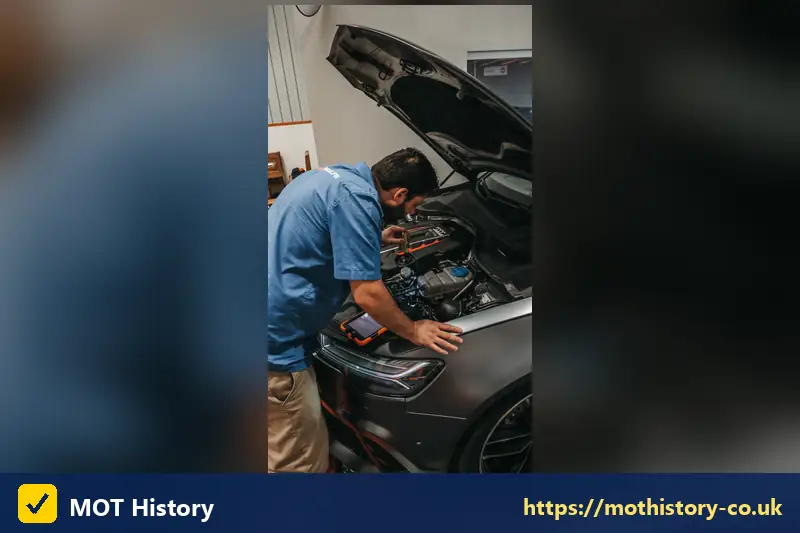
Modifications Must Be Declared
Anything that changes performance, appearance or value should be disclosed, from engine tuning to wheels and body kits.
Why insurers ask
Modified cars can be riskier, costlier to repair and more attractive to thieves.
Even changes that seem minor, such as a larger exhaust, tinted glass, lowered suspension or a remapped engine, can be rated. Some insurers decline certain modifications altogether, while specialist providers welcome them.
Non-disclosure risk
If a modification is not declared, a claim can be reduced or refused, and the policy could be treated as invalid. When in doubt, ask.
Car Insurance For A New Car
Car insurance for new car buyers needs to start before you drive away. A new vehicle is typically more expensive to repair and replace, and the insurer will want accurate details of the model and its value.
Arrange cover first
Do not collect and drive a vehicle until cover is in place. Driving without insurance can lead to penalties.
Value and finance
A new car bought on finance may have requirements about the type of cover. Check the agreement and tell your insurer how the car is owned.
If you are buying from a dealer, ask whether they can provide a cover note or whether you should arrange a policy to start on the day of collection. Do not rely on assumptions about temporary cover.
Electric And Hybrid Vehicles
Electric vehicles are not automatically cheaper or dearer to cover. Battery repair costs, parts supply and specialist repair networks all influence pricing.
- Ask about cover for the battery and charging cable
- Check cover for home charging equipment
- Ask whether breakdown recovery includes flatbed transport
- Compare groups, as they differ widely between models
Vans, Motorbikes And Classic Cars
The same principles apply, but the rules of thumb change by vehicle type.
Vans
A van is rated by use, so carrying tools, goods or passengers for hire matters. Always confirm the cover matches the job.
Motorbikes and scooters
Engine size, security and rider experience feature strongly.
Classic cars
Specialist policies often use agreed values and limited mileage. Conditions around storage and use are usually strict.
Car Insurance In Northern Ireland
Drivers in Northern Ireland search for car insurance quotes ni, cheap car insurance ni and quotes for car insurance in northern ireland because the market, claims patterns and some rating factors can differ from Great Britain.
Comparing locally
If you want to compare car insurance ni, choose quotes from insurers that genuinely cover the country and confirm exactly what is included.
Crossing the border
Ask about cover when driving to the Republic of Ireland or elsewhere. Also read the guidance on number plates in Northern Ireland if you are registering locally.
Northern Ireland vehicles are taxed and registered through the DVLA, but MOT testing is run separately by the DVA. Insurance records still need to be correct on the Motor Insurance Database whichever part of the UK you live in.
Insurance For Young Drivers
A young driver is often quoted a higher premium because experience is limited. There are lawful ways to influence the price.
- Choose a car in a lower insurance group
- Consider a telematics policy
- Think carefully before being added as a named driver in a misleading way
- Ask about discounts linked to additional qualifications
Insurance for Older Drivers
Experience tends to help, but insurers also look at medical information and changes in annual mileage.
Declare medical conditions
Tell the insurer about conditions that the DVLA has been notified of. Failing to do so can affect your cover.
Lower mileage
If your driving has reduced, say so. A lower annual mileage estimate can be relevant.
Comparing Quotes Fairly
Getting several quotes is sensible, but only if you enter the same details each time. Small differences in answers produce big differences in price.
Same answers, same excess
Use an identical excess, mileage, use and cover level across every quote.
Check the wording
Compare what is excluded, what extras are included and what limits apply. Cheapest is not always best value.
Write down the price, cover type, excess, limits and exclusions in a simple list for each quote. A five-minute comparison like this often reveals that the cheapest policy lacks something you would have wanted to claim for.
Comparison Sites Or Direct
Comparison services can show many prices quickly, but some insurers sell only direct. A good approach is to use both routes.
- Note that not every insurer appears on comparison services
- Compare the actual policy documents before buying
- Watch for pre-ticked add-ons
- Keep a record of the quote reference
What People Mean By The Best Car Insurance Company
Searches such as best car insurance company, top car insurance companies, best car insurers uk, best insurance companies uk and best motor insurance companies uk all assume a universal winner. There is not one. The same goes for top automobile insurance companies or an insurance company auto insurance shortlist: rankings rarely fit your own circumstances.
Best for whom
The right insurer for a cautious commuter may be wrong for a young driver or a classic owner. Price, service, claims handling and cover limits all matter.
Why ranking lists differ
Lists of top rated car insurance providers rely on different criteria. Treat them as a starting point, then test the policy against your needs.
Good Insurers And Great Insurers Are Personal Judgements
Phrases like good car insurance companies or great car insurance companies are subjective. What counts is whether the provider will pay a fair claim promptly and explain decisions clearly.
Questions worth asking
Ask how claims are reported, how repairs are managed and what a courtesy car arrangement looks like. A neutral way to weigh up a provider is explained in how to judge an insurer.
Finding Car Insurance Providers In The UK
Looking for car insurance providers uk or the best car insurance providers means choosing between direct insurers, brokers and underwriters behind different brands.
Who actually bears the risk
A brand you know may only be the seller, with another company carrying the risk. Check the named insurer in the documents.
Regulation
Confirm that the firm is authorised by the financial regulator. The regulator's register is the official place to check.
It is also worth checking how complaints are handled and whether the provider is covered by an ombudsman scheme. Those protections only matter if something goes wrong, but that is exactly when you need them.
Insurers Named in Searches
People also search for phrases such as insurance companies car insurance companies or best uk car insurance companies when they actually want a shortlist. Names appearing in searches are simply names, not recommendations.
What to do instead
Shortlist on features that match your needs: cover limits, claims process, policy flexibility and the quality of the documentation you would actually receive.
Renewal Notices And Price Changes
Every renewal is a fresh pricing decision. A notice arrives before your policy ends, with a new premium that can differ from last year.
Do not auto-renew blindly
Check the quote against the market. The renewal guidance in car insurance renewal covers the practical steps.
Timing
Shopping for a new quote some weeks ahead is commonly suggested, but the best timing for you can vary.
Loyalty Does Not Guarantee a Better Price
Staying put is convenient, but it may not be the cheapest. Insurers often price new customers differently.
- Compare the renewal quote against fresh ones
- Ask whether your existing insurer will match
- Check that cover level and excess are identical
- Check whether your no claims discount is carried over
Add-Ons That Raise The Price
Optional extras can change the cost of a policy noticeably. They can be useful, but read them before accepting.
Common extras
Breakdown cover, legal expenses, courtesy car, key cover and windscreen cover are frequent add-ons.
Standalone alternatives
Sometimes a separate product covers the same risk for less. Compare before adding to the main policy.
Look at what the add-on really provides, such as call-out limits for breakdown or a cap on legal expenses, and whether it duplicates cover you already hold through a bank account or home policy.
Mistakes That Can Invalidate A Policy
Cutting the price by giving incorrect information is the most costly shortcut of all.
- Naming a parent as the main driver when a child is, sometimes called fronting
- Understating mileage or overstating garage use
- Not declaring modifications, convictions or claims
- Failing to report a change of vehicle or address
- Letting the policy lapse unintentionally
Cancelling A Policy And Refunds
You may be able to cancel at any point, but what you receive back depends on the terms.
The cooling-off period
There is normally a short period after purchase in which you can cancel. Read the documents for exact rules.
Mid-term cancellation
Expect possible fees and a pro-rata calculation. If the car is being taken off the road, see the notes on SORN and insurance.
A refund is unlikely to be the full amount paid if you have already had a period of cover, and some insurers apply an administration fee. Always get the cancellation figure in writing before confirming.
The Cost Of Driving Without Cover
Uninsured driving is an offence that can bring fines, penalty points and vehicle seizure. The exact outcome depends on the circumstances and the court, so check GOV.UK for the current position.
How cover is monitored
Insurers report cover to the Motor Insurance Database, also known as the MID, which is maintained for the Motor Insurers' Bureau. Police and the DVLA use it to spot uninsured driving.
Continuous insurance
A registered keeper can face action when a vehicle is neither insured nor declared off the road, which is why the topic of taxing a car without insurance matters.
Checking A Car Is Insured After You Buy
Once cover is arranged, it is wise to confirm the record shows correctly. Use an official check such as askMID insurance check and see is my car insured for the steps.
What a registration lookup can and cannot show
The free MOT check shows test history and status, not insurance. Cover information comes from the MID and your insurer.
Insuring An Imported Or Foreign-Registered Car
Imported cars can cost more to cover because parts, valuation and history are harder to establish.
- Confirm the vehicle is registered in the UK first
- Declare it is an import when asked
- Provide accurate specification details
- Use a car import check to understand its history
For drivers new to the country, see car insurance for international drivers.
Automatic Gearbox And Specialist Cars
Some gearboxes and specialist body types can move the price, largely because of the pool of comparable claims.
Automatic cars
Prices for automatics can follow a different pattern from manuals. Read about automatic car insurance quotes when comparing.
Rare or unusual models
Spares availability influences repair cost and so the premium.
Legitimate Ways To Bring The Price Down
Lowering a premium is possible without bending the truth.
- Build and protect a no claims discount
- Choose a car in a lower insurance group
- Improve security and park off the road where possible
- Adjust the voluntary excess carefully
- Pay annually if you can afford it
- Shop around every renewal
Myths About Car Insurance Prices
Some beliefs are persistent but not reliable.
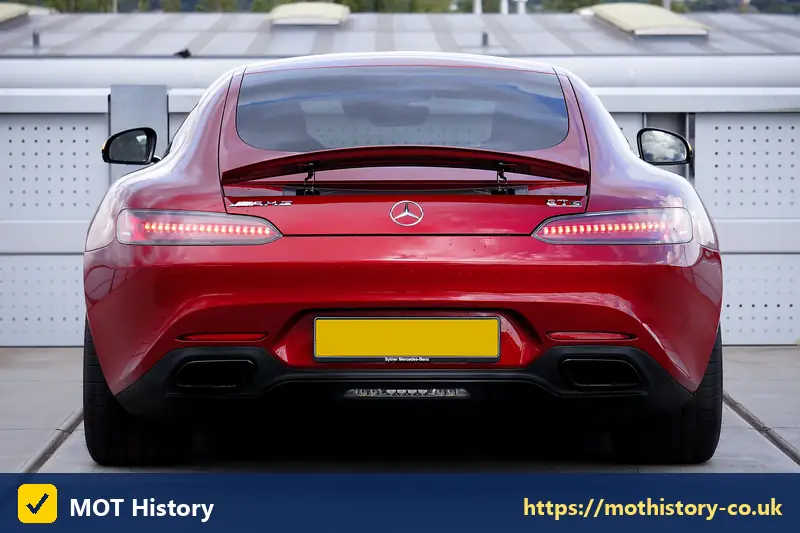
"A red car costs more"
Colour is generally not the driver of price, although an accurate colour should be recorded. You can confirm it with a colour check by reg.
"Older cars are always cheaper"
Not necessarily, because a thief-favoured or hard-to-repair older model can still be costly.
"The cheapest quote is the best"
It may leave gaps in protection or be based on misleading answers.
A Checklist Before You Buy A Policy
Use this before confirming a purchase so the answer to how much auto insurance will cost is a fair one. The same checks apply whether you are asking about driving insurance cost UK wide or whether any car insurance will do for your vehicle; cover has to match the car, the driver and the use.
- Confirm the registration, make and model
- Choose cover type, excess and start date
- Check who is named as a policyholder and who can drive
- Read the exclusions and the claims process
- Check cover for vehicle use and territory
- Keep a copy of the documents and confirm the record on the MID
Frequently Asked Questions
How much is car insurance in the UK?
There is no fixed figure, because the price is set for each driver and vehicle. Age, driving history, postcode, the car's insurance group, annual mileage, cover level and excess all feed into the premium. The only reliable way to find out is to request several like-for-like quotes using your real details, then compare what each policy actually covers before choosing.
How much is car insurance per month?
A monthly price is usually the annual premium divided into instalments, often with a credit charge added. That means the total over the year can be higher than paying in a single payment. Compare the total payable and the cancellation terms, not only the monthly amount, before deciding which option suits you.
What is the cheapest type of car insurance?
Cheapest depends on your circumstances. Third party cover is often assumed to be the lowest, but some insurers price comprehensive cover similarly or even lower for certain drivers. Get a price at each level, check the excess, and compare what is included. The lowest price is not always the best value.
Why is my car insurance so high?
Common reasons include a young age, limited experience, a high-rated car, a busy postcode, a high estimated mileage, penalty points or recent claims. Check the insurance group of the car, review your answers for accuracy, try a different excess, and compare at renewal. A broker or insurer can often explain the main drivers of your price.
What is an insurance group?
An insurance group is a numbered rating given to a car model, reflecting how costly and risky it is expected to be to insure. Lower groups tend to bring lower premiums, all else being equal. Because it is based on the model rather than you personally, it is a helpful thing to check before buying a car.
How can I compare car insurance in Northern Ireland?
To compare car insurance NI, ask for several quotes using identical details and cover levels, and make sure each insurer genuinely covers Northern Ireland. Check the excess, use class and any territorial limits, such as driving in the Republic of Ireland. Read the documents before buying rather than relying only on the headline price.
Which is the best car insurance company?
There is no universal best. The right insurer depends on your age, vehicle, use and priorities, such as price, claims handling or flexibility. Rankings rely on different criteria, so use them as a starting point. Check the policy wording, read independent assessments and confirm that the firm is authorised by the financial regulator.
Does a no claims discount transfer between insurers?
Generally yes, if you can show proof from your previous insurer. Keep the renewal documents or request a written statement. Ask each new insurer how it treats your discount, whether protection is offered and how a future claim would affect it. Terms vary, so check the wording rather than assuming.
What happens if I give wrong details on a quote?
Inaccurate details can lead to a higher price, a reduced or refused claim, cancellation of the policy or further action. Careless errors and deliberate misstatements are treated differently, but both cause problems. Correct mistakes with your insurer as soon as you notice them and tell them about changes during the policy.
Does the cost change when I renew?
Yes, it can rise or fall. A renewal is a fresh price decision, and insurers do not always offer the best rate to existing customers. Compare the renewal quote with others before it expires, making sure cover and excess match. Switching is commonly possible, but check for any fees.
Is an excess worth increasing?
A higher voluntary excess can reduce the premium, but you must be able to pay it if you claim. Weigh the saving against the extra risk and consider whether smaller claims would still be worth making. Compare the total potential cost, not just the price difference in the quote.
How do I check that my car is insured?
Insurers add policies to the Motor Insurance Database, and the Motor Insurers' Bureau's askMID service lets you check a vehicle against it. It confirms whether a record exists for a registration, not the details of your policy. If nothing shows, contact the insurer promptly. The free MOT history checker does not display insurance.
Can I get insurance for a car I have not bought yet?
Some insurers offer temporary or purchase-ready arrangements, but details vary. Generally, you cannot drive away without valid cover in place for that vehicle. Arrange cover before collection, use accurate details for the car and tell the insurer how it will be financed, stored and used.
Does car insurance cost more for a new car?
Often, yes, because a new car is expensive to repair or replace and may sit in a higher insurance group. Some insurers offer specific new-vehicle benefits, while others price it like any other car. Request quotes before you order and check the group of the exact model and trim you intend to buy.
What is the difference between third party and comprehensive?
Third party pays for damage and injury you cause to other people and their property. Comprehensive usually adds cover for your own car, including after an accident where you are at fault, along with extras that vary. Read the policy document to confirm exactly what is included before choosing either level.
Official Sources
Rules, fees and deadlines change. Confirm anything that affects your money or legal position with the official service.