If you make a Statutory Off Road Notification (SORN) for a vehicle, you are telling the DVLA it is not being used or kept on a public road, and you generally no longer need to tax it. Insurance is a separate matter: SORN does not cancel your policy, and cancelling a policy without declaring SORN can land you in trouble under continuous insurance enforcement. The two need handling in the right order.
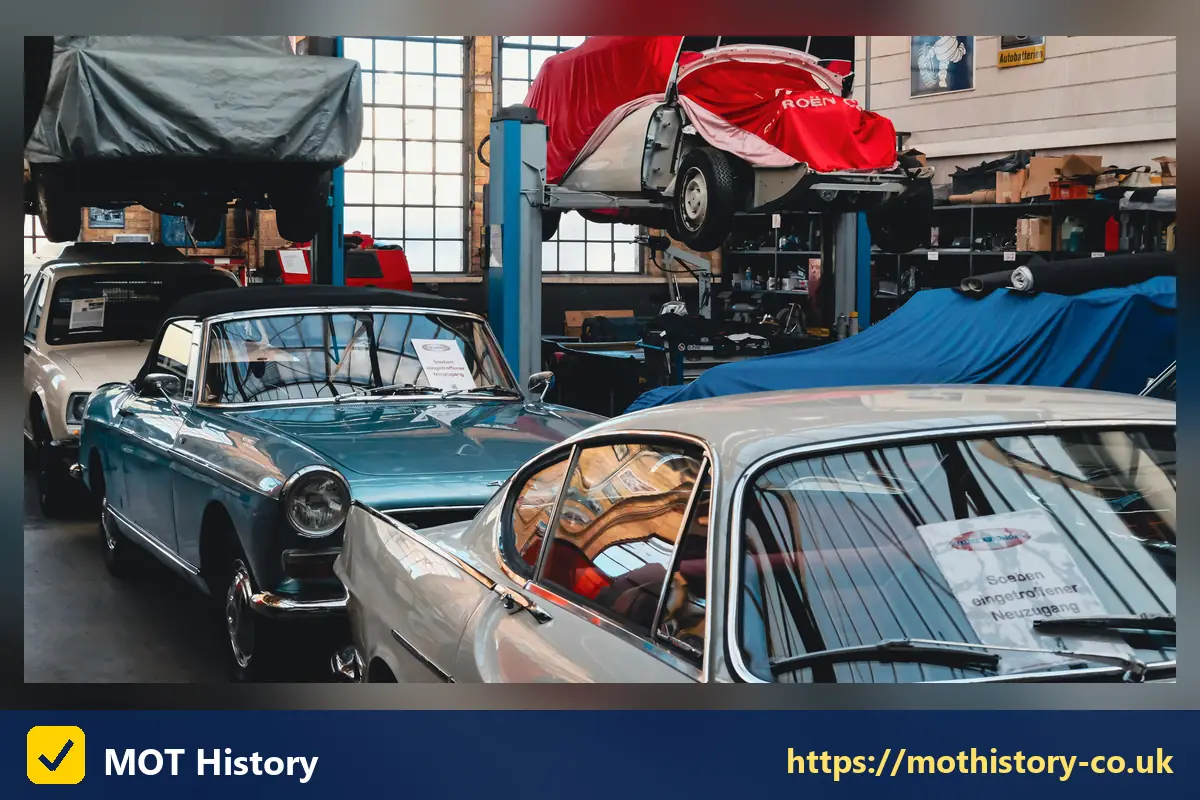
Part of SORN Status. Start with the main guide: Check If a Vehicle Is SORN
Updated October 2026 · Independent information, not legal advice
SORN car insurance questions usually boil down to a few worries: can I cancel cover, what if the car is parked at home, and can I still drive it to an MOT? The answers depend on where the vehicle is kept and what you do with it. Always confirm the current rules on GOV.UK, and check if a vehicle is SORN if you are unsure of its status.
What SORN Actually Means
A SORN is a declaration made to the DVLA that a vehicle is off the road. It applies to the vehicle, and it is the registered keeper who makes it.
A declaration, not a cancellation
You are not cancelling the registration, only telling the DVLA the vehicle will not be used on public roads. Who can make one. Normally the registered keeper named on the V5C. Read how to SORN your car for the steps.
Points worth remembering about SORN insurance and the vehicle tax link:
- A SORN applies to the vehicle, not the driver
- It is made by the registered keeper
- It normally ends when the vehicle is taxed, sold or scrapped
- It does not change your insurance on its own
| Status | Vehicle tax | Where it can be kept | Insurance in general |
|---|---|---|---|
| Taxed | Current vehicle tax on record | Public roads and private land | Normally required while on the road |
| SORN | Declared off the road | Private land only, not on public roads | Different rules apply, see the guidance |
| Untaxed, no SORN | No tax and no declaration | Risk of enforcement letters | Insurance still needs checking |
Does SORN End The Need For Insurance
In most cases a vehicle that is declared SORN and kept off the road does not need a road insurance policy. The legal requirement covers vehicles that are used or kept on a public road.
The key condition
The vehicle must genuinely be off-road, for example in a garage or on private land.
What can go wrong
If it is driven on the road while SORN, it would be untaxed and uninsured. That is a serious offence, so check the official rules.
Continuous Insurance Enforcement Explained
Continuous insurance enforcement means a registered vehicle must be insured unless it has a SORN in place. The DVLA compares its records with the insurance database. Why it catches people out. Many owners cancel a policy on a parked car and forget to declare SORN. The record then shows an uninsured, non-SORN vehicle.
Consequences in general terms
The DVLA can send warning letters and may issue a penalty, and in some cases further action. The details and amounts are on GOV.UK.
Situations that commonly trigger a letter:
- A policy lapses after a missed renewal
- A car is sold but the keeper change is not recorded
- A vehicle is kept but the SORN was never made
- A tax refund is claimed but the policy is cancelled early
The Right Order Of Steps
Timing matters when you take a vehicle off the road.
- Declare SORN with the DVLA
- Confirm the record updates
- Then contact the insurer to cancel or change cover
- Keep confirmation of each step
Why the order matters
Cancelling insurance first can leave a gap where the vehicle appears uninsured. Keeping proof. Save the confirmation reference and any emails.
Before you start, gather the V5C reference number and your policy details.
Sorn Car Insurance: Do You Still Need Cover
Sorn car insurance is a common search because the rules are not obvious. A vehicle that is off the road may not need road insurance, but many owners still want protection against fire, theft or damage.
Laid-up and storage cover
Some insurers offer limited policies for vehicles in storage. Ask what is covered and whether it is suitable for a SORN vehicle.
Why some people keep cover
A car worth a lot of money, or a classic, may justify cover even though it is not driven.
Vehicle Tax And SORN
When you declare SORN, vehicle tax usually stops. Any full months remaining may be refunded automatically. The tax refund. A tax refund is normally sent to the person who paid it. Check GOV.UK for timing and eligibility.
Direct debit
If you pay by direct debit, it is normally cancelled as part of the process. Confirm it has stopped.
Things to check after a SORN:
- The refund amount matches the months left
- The direct debit is cancelled
- The record shows the new status
Keeping A SORN Vehicle On Private Land
A SORN vehicle can be kept on private land such as a driveway, garden or garage, not on the street.
Driveways and gardens
A car parked on your own drive, off the public highway, can be SORN. A car on a public road cannot. Shared or unclear land. If you are not sure whether land counts as public, ask the local authority or read the GOV.UK guidance.
Parking On The Street
Street parking is a common mistake.
- A vehicle on a public road must be taxed
- It must also be insured
- SORN does not cover roadside parking
Why it matters
Enforcement cameras and traffic wardens may detect untaxed vehicles. Move the car off the road before declaring SORN.
The rule of thumb is simple: if the vehicle is on a public road, it needs tax and insurance even if it never moves.
Driving A SORN Vehicle To An MOT
You can usually drive a SORN vehicle to a pre-booked MOT test, or to a garage for repairs after a failure. It must be insured and roadworthy for the trip.
Insurance for the journey
You need a valid policy for that journey. Check that your policy has not been cancelled. Booking proof. Keep the booking confirmation showing the test appointment.
Taking A Vehicle Off SORN
When you want to use the vehicle again, you must tax it and insure it before driving on the road.
- Arrange insurance first
- Check the MOT status
- Tax the vehicle via road tax online
- Drive only when tax and insurance are in place
MOT first
If the MOT has expired, book one. See check your MOT status.
How Long Does SORN Last
A SORN normally continues until the vehicle is taxed, sold, scrapped or exported. You may not need to renew it each year, but check the current rules on GOV.UK.
Changing keepers
If you sell a SORN vehicle, the SORN ends and the new keeper must tax it before use. Scrapping or export. Tell the DVLA if the vehicle is scrapped or exported, and get the right confirmation.
Selling A SORN Vehicle
A SORN vehicle can be sold while off the road. Tax is not transferred between keepers, so the buyer has to arrange it.
Tell the DVLA
Complete the keeper change using the V5C. The buyer should confirm the record is updated.
A seller's protection
Keep the receipt and a copy of the details so you can show the date of sale.

Buying A SORN Vehicle
The vehicle cannot be driven away on public roads unless it is taxed and insured. Transport may be needed. Check before buying. Look at the vehicle tax status and MOT history to see how long it has been off the road.
Why long SORN periods matter
A long period off the road can mean stale fluids, flat batteries and seized parts.
Checking A Vehicle's SORN Status
You can see whether a vehicle is SORN through free vehicle checks. The SORN status appears alongside tax information.
What the check shows
- Tax status and due date
- Whether the vehicle is SORN
- MOT status and expiry
What it does not show
It does not show insurance details. To check for cover, read is my car insured.
Before relying on SORN insurance assumptions, see the real record.
- A SORN may have been made by a previous keeper
- The status can change after a sale
- A vehicle with no tax and no SORN is a warning sign
Checking Insurance Status
The askMID service is a name people search for when checking whether a vehicle appears on the insurance database. It shows whether a vehicle is listed as insured.
What it does
In general terms, it lets you check a registration against the Motor Insurance Database.
Limits
A listing does not tell you policy terms or who is covered to drive.
Motorbikes And SORN
Motorbikes follow the same SORN and insurance rules as cars. A bike in winter storage should be SORN if it is not taxed.
Seasonal riders
Many riders SORN a bike for the winter to avoid paying for tax and cover.
Reactivation
Tax and insure before riding again, and check the MOT.
Vans, Camper Vans And Classics
The same rules apply to other vehicles.
- A van kept off the road should be SORN or taxed and insured
- A camper van stored over winter follows the same pattern
- A classic in restoration may be SORN for long periods
Tax-exempt classics
A vehicle with historic exemption still needs a tax record, and may need SORN if not used. Check GOV.UK.
Northern Ireland
SORN also exists in Northern Ireland, handled through the DVLA and Northern Ireland arrangements. Insurance rules follow local requirements.
Moving between nations
If you move, check the registration and SORN rules in the new area.
Where to start
Read DVLA in Northern Ireland for how vehicle tax works there.
Company And Fleet Vehicles
A company may SORN vehicles that are not in use. The registered keeper is usually the business.
Who makes the declaration
Someone authorised must do so using the vehicle details.
Fleet reviews
Periodic checks of each vehicle's tax, SORN and insurance status prevent gaps.
Fleet questions to ask:
- Who is named as keeper on each V5C?
- Which vehicles are laid up for the winter?
- When does each private land or garage storage arrangement need review?
Buying Cover For A Car You Rarely Use
SORN insurance is not a product name, so a few drivers who rarely use a car look at alternatives.
Low-mileage policies
Some insurers price cover for limited use, which suits a car that only goes out occasionally.
- Compare how each insurer defines limited use
- Check whether cover continues while parked
Keeping proof of cover
Store the certificate safely and use car insurance renewal checks before the policy ends.
Common Mistakes
- Cancelling insurance before making the SORN
- Leaving the car on the road
- Forgetting to cancel a direct debit
- Driving the car while SORN
- Not informing the insurer of a change
The consequences
These errors can lead to warning letters, penalties and, in serious cases, prosecution.
Take care with each of these, because a small slip can leave the registered keeper exposed.
If Your Record Is Wrong
Sometimes the record shows the wrong status.
Contact the DVLA
Explain the problem and provide evidence such as your SORN confirmation.
Talk to your insurer
Ask for written confirmation of the dates your policy was active, in case the record is disputed.
Frequently Asked Questions
Do I need insurance if my car is SORN?
In most cases you do not need a road insurance policy for a vehicle that is genuinely SORN and kept off the road, for example in a garage or on private land. You would need insurance before using it on the road. Many owners still keep limited cover for fire and theft, so ask your insurer what is available.
Can I cancel my car insurance before making a SORN?
It is better not to. Continuous insurance enforcement can flag a vehicle that is neither insured nor SORN. Declare SORN first, check the record has updated, then contact your insurer to cancel or change the policy. Keep confirmation of each step in case of a query.
Does SORN cancel my insurance automatically?
No. The DVLA and your insurer are separate, and a SORN does not end your policy. You need to contact the insurer yourself if you want to cancel or move to a different type of cover. Ask about any fees or refunds before you do.
Can I drive a SORN car to an MOT?
You can usually drive a SORN vehicle to a pre-booked MOT test, and to a garage for repairs after the test, provided it is roadworthy and insured for the journey. Keep the booking details. Check the current rule on GOV.UK if you are unsure, and never use the vehicle for anything else.
Is sorn car insurance a real type of policy?
Some insurers sell laid-up or storage cover for vehicles that are not on the road. It is aimed at fire, theft or damage rather than driving. Policy terms vary, so ask what is covered, what is excluded and whether it still counts as insurance for any legal purposes.
What happens if I forget to insure a car that is not SORN?
The DVLA can take enforcement action under continuous insurance enforcement, which may include warning letters, penalties and in some cases prosecution. The exact amounts and process are on GOV.UK. If you realise quickly, either insure the vehicle or make a SORN as soon as it is appropriate.
Do I get a tax refund when I make a SORN?
Normally, yes, for any full months of vehicle tax remaining, though the rules and timing are on GOV.UK. The refund usually goes automatically to whoever paid the tax. If you pay by direct debit, check that the payments have stopped. Keep your SORN confirmation in case the refund is delayed.
Can I park a SORN car on the road?
No. A SORN vehicle must be kept off public roads, such as in a garage or on private land. A vehicle left on the road must be taxed and insured. If you cannot keep it off the road, you may need to tax and insure it instead.
How can I check whether a vehicle is SORN?
You can enter the registration into a free vehicle tax status check to see the tax or SORN status. The check does not show insurance, so use the official insurance database for that. If the information looks wrong, contact the DVLA.
What do I do when I want to use a SORN car again?
Insure it first, check it has a valid MOT if one is needed, then tax it. Only then should you drive it on the road. If the SORN is still active, taxing the vehicle normally ends it. Check the current process on GOV.UK.
Does SORN apply to motorbikes?
Yes. A motorbike that is not taxed and is kept off the road can be SORN. The insurance and tax requirements are the same as for cars. Many riders declare SORN over winter and tax and insure the bike again before the new season.
What if I sell a SORN car?
The SORN ends on sale and the buyer must tax and insure the vehicle before driving. Tax is not transferred between keepers. Update the keeper details with the DVLA using the V5C and keep a record of the date of sale.
Official Sources
Rules, fees and deadlines change. Confirm anything that affects your money or legal position with the official service.